


Services
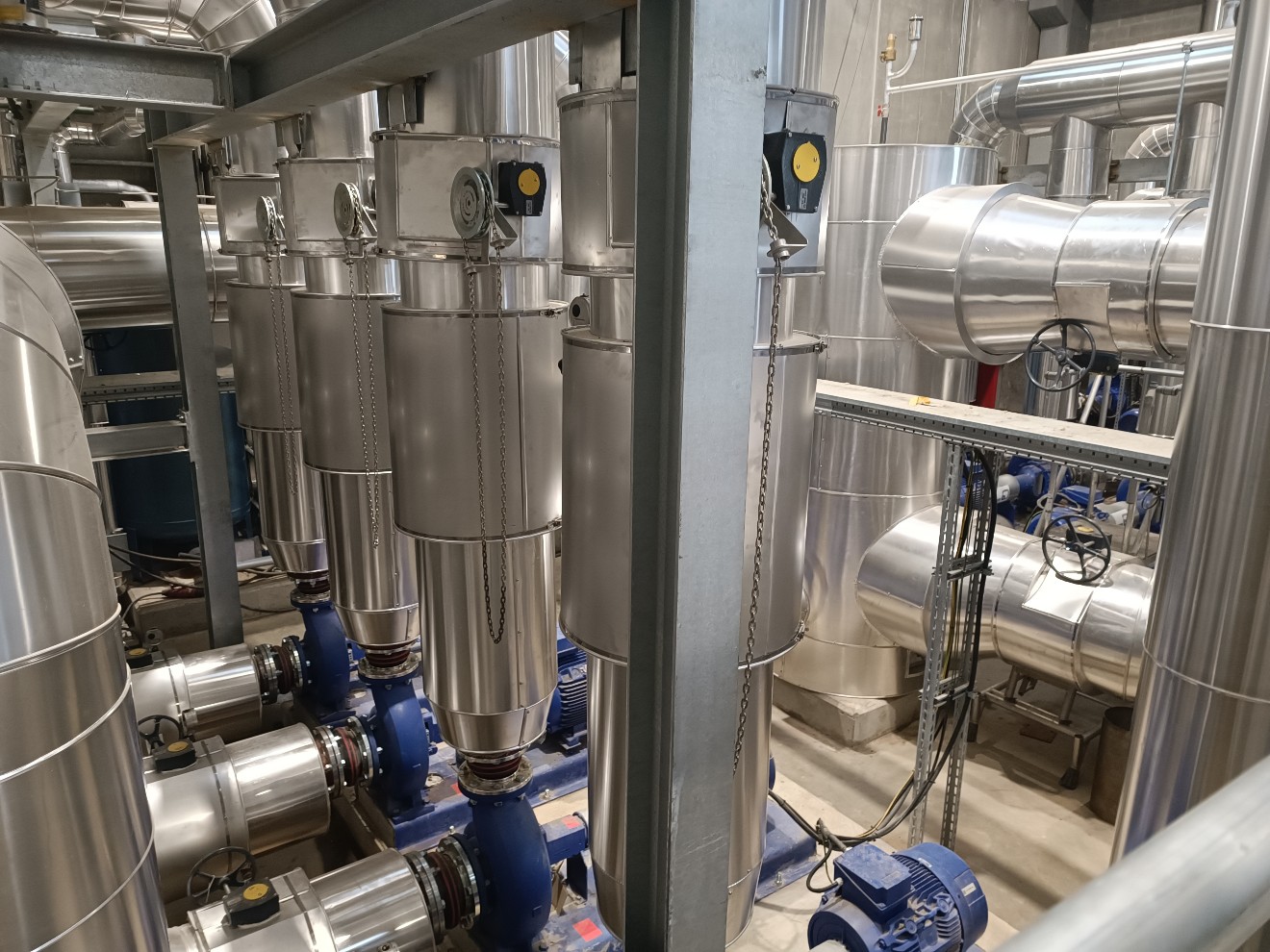
Thermal insulation

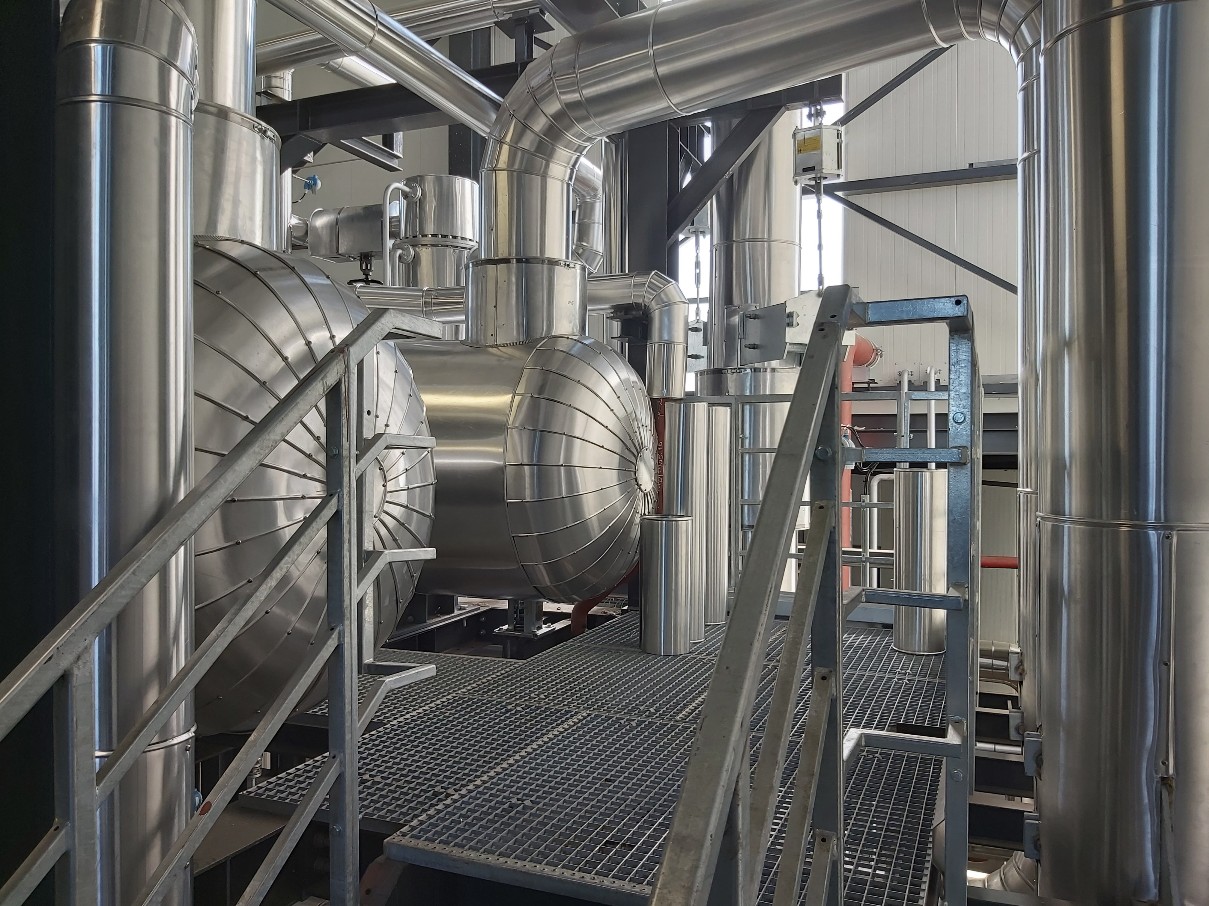
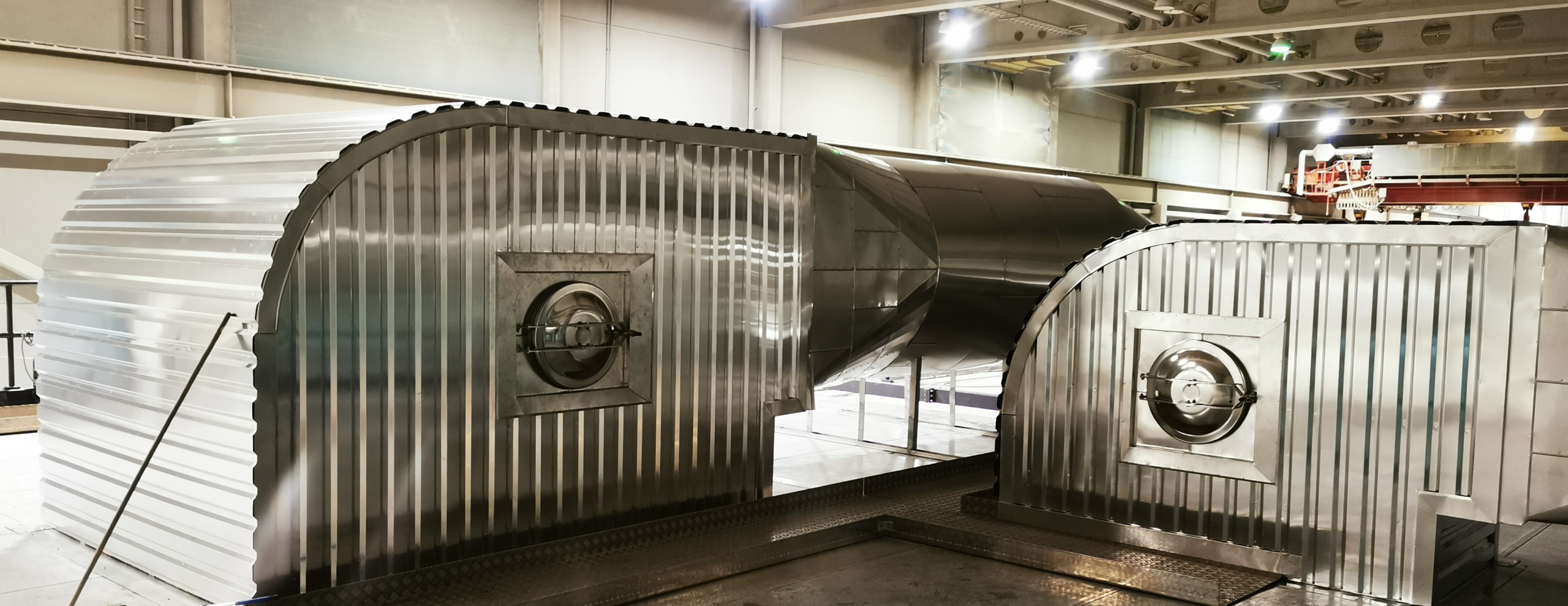
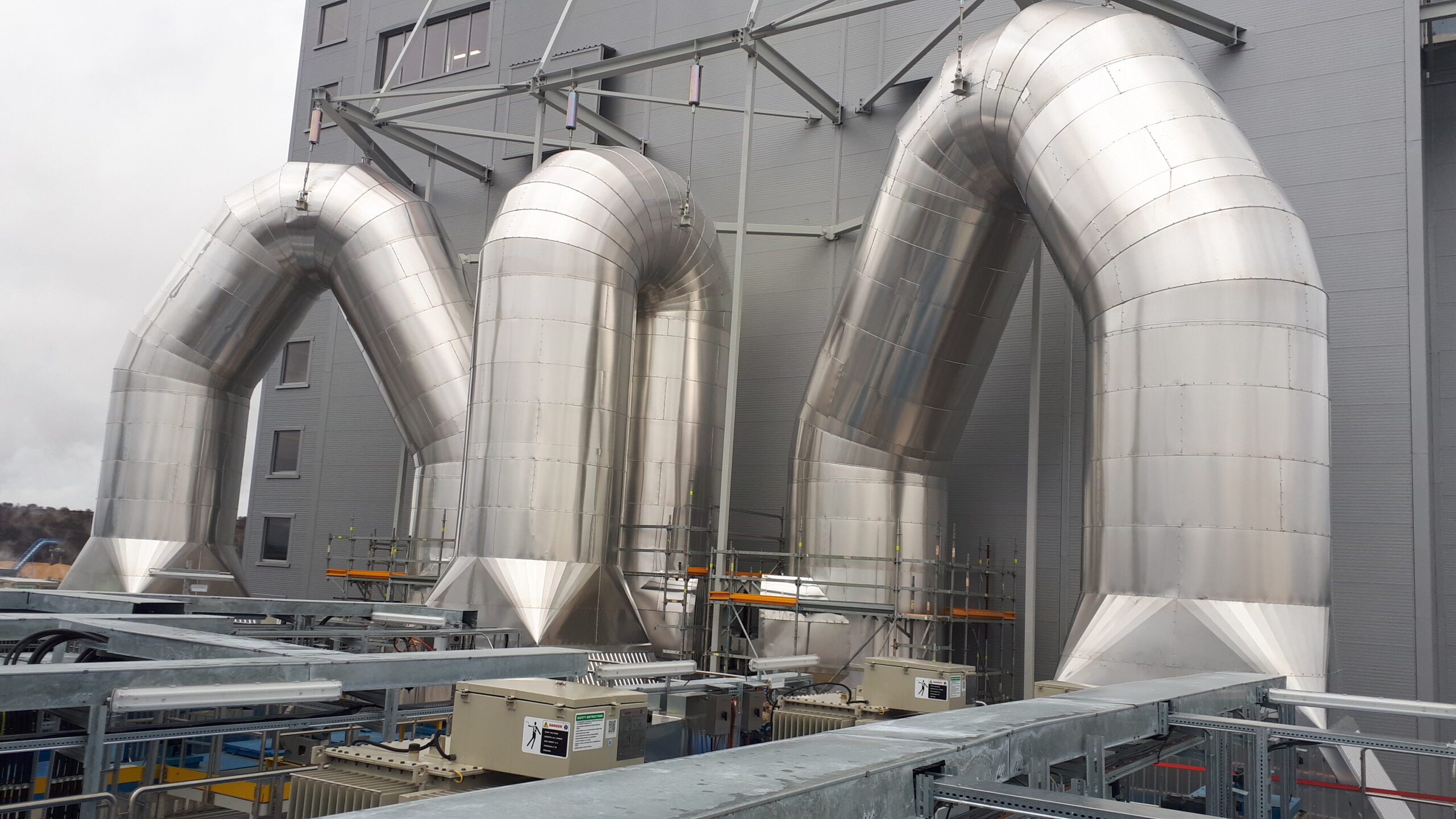
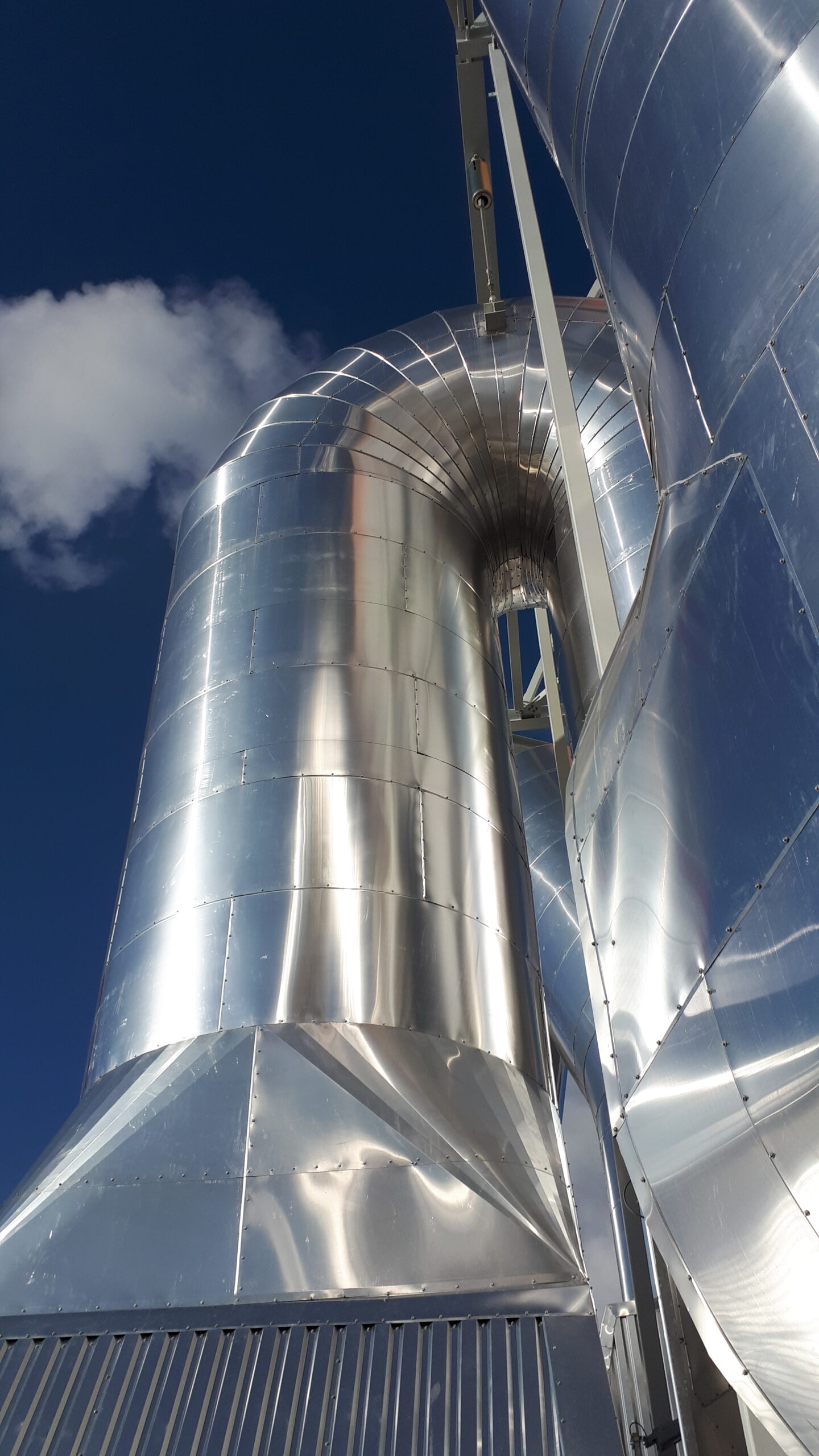
Thermal insulation requirements are not uniform, and accordingly we offer a range of solutions tailored to meet every specific need. Our team of experts, in collaboration with clients, identifies and defines the best technical solutions that are both economically and technically optimal.
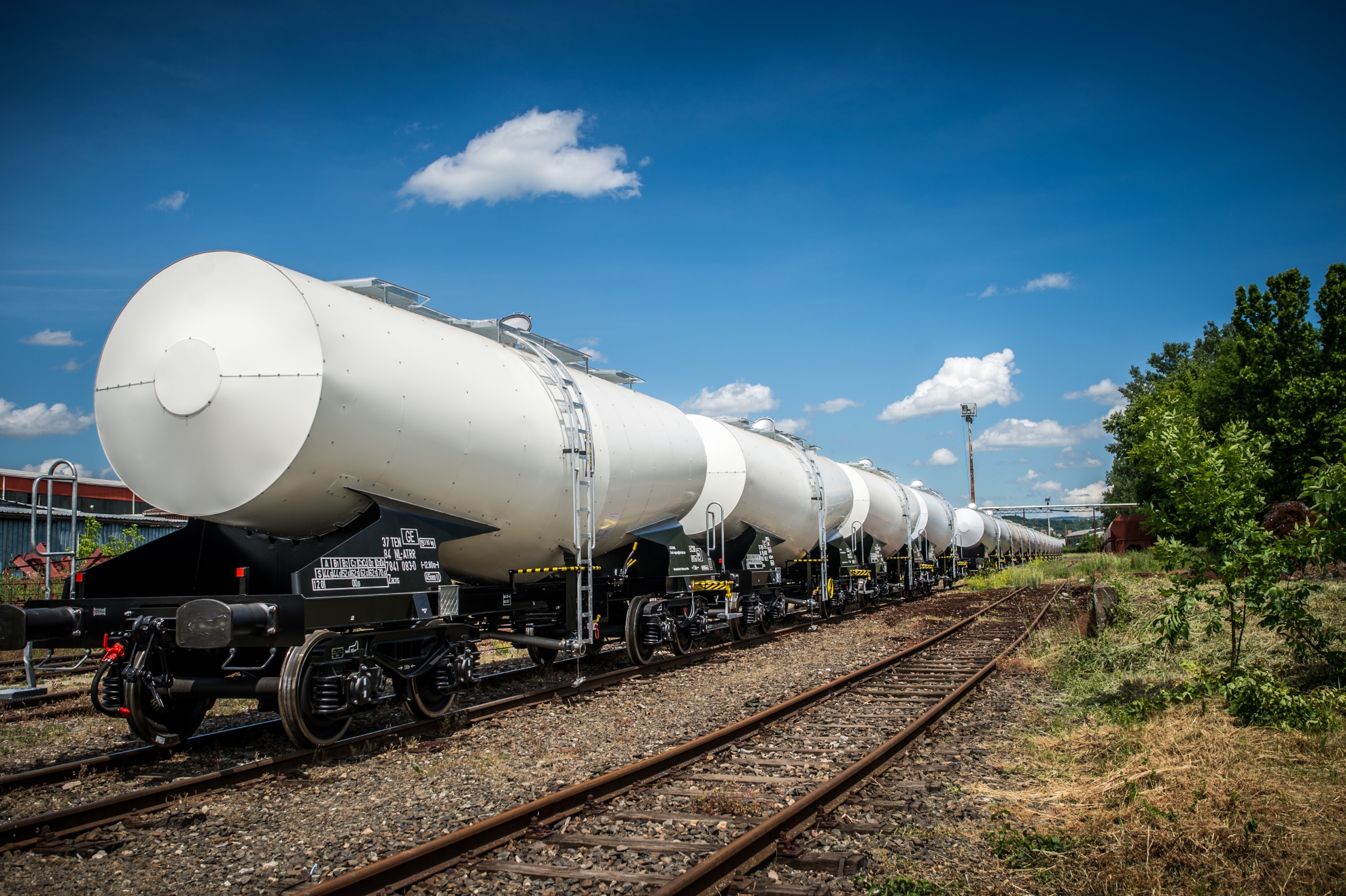
Our technical solutions cover a wide range of applications in industrial insulation. We achieve maximum thermal efficiency by using only high-quality insulation materials that ensure long-lasting retention of their technical properties.
Safety and compliance with industry standards are our top priority. Our team, with many years of experience, undergoes various training and professional development to ensure that insulation systems are installed with quality and safety.
In this way, we have established ourselves as a reliable partner for this type of work in the European and global markets.
–MATERIALS-
As an insulation material, depending on the investor's requirements and the purpose of the insulation (thermal or cold), we use the following materials:
- Mineral wool (rock, glass, ceramic)
- Synthetic rubber-based elastomeric foam (Armaflex)
- Polyurethane
- Foam glass (Foamglass)
–Standards–
When performing thermal insulation in industrial and energy facilities, we carry out all work in accordance with the following standards:
- VDI 2055 “Heat and Cold Protection for Industrial and Building Technical Systems”
- VDI 2055 Draft “Heat and Cold Protection for Industrial and Building Service Systems”
- AGI Q 132 “Mineral wool as insulation for plant technical systems”
- DIN 18421 – Thermal insulation work on plant engineering installations
- DIN 18165 – Fibrous insulation materials for construction
- DIN 4140 – Insulation of plant engineering installations







Firebricking
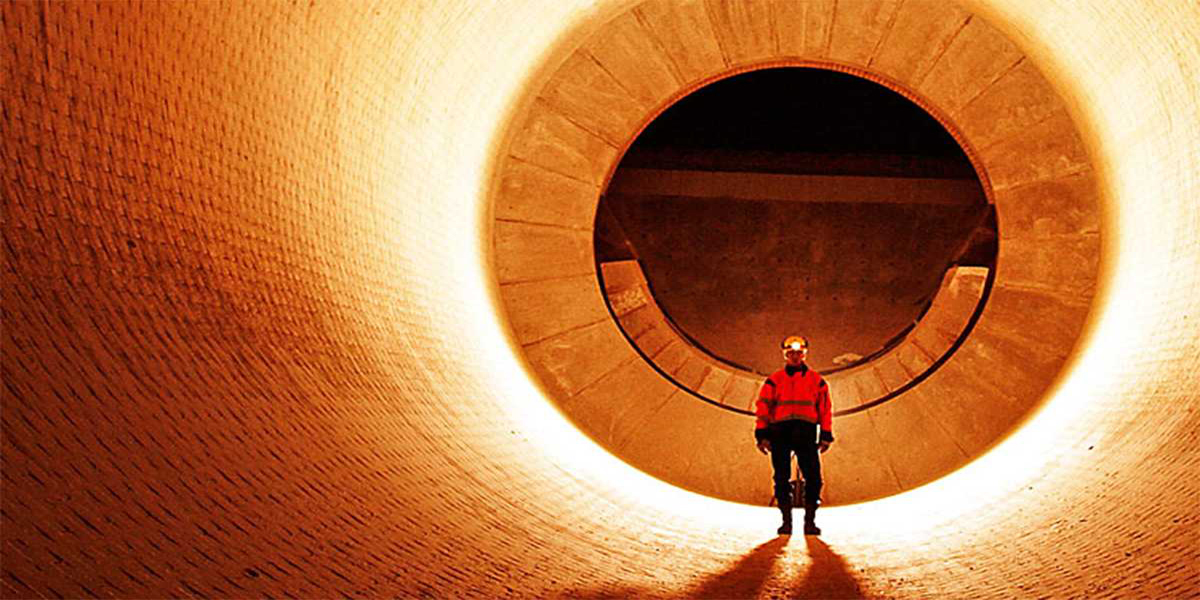
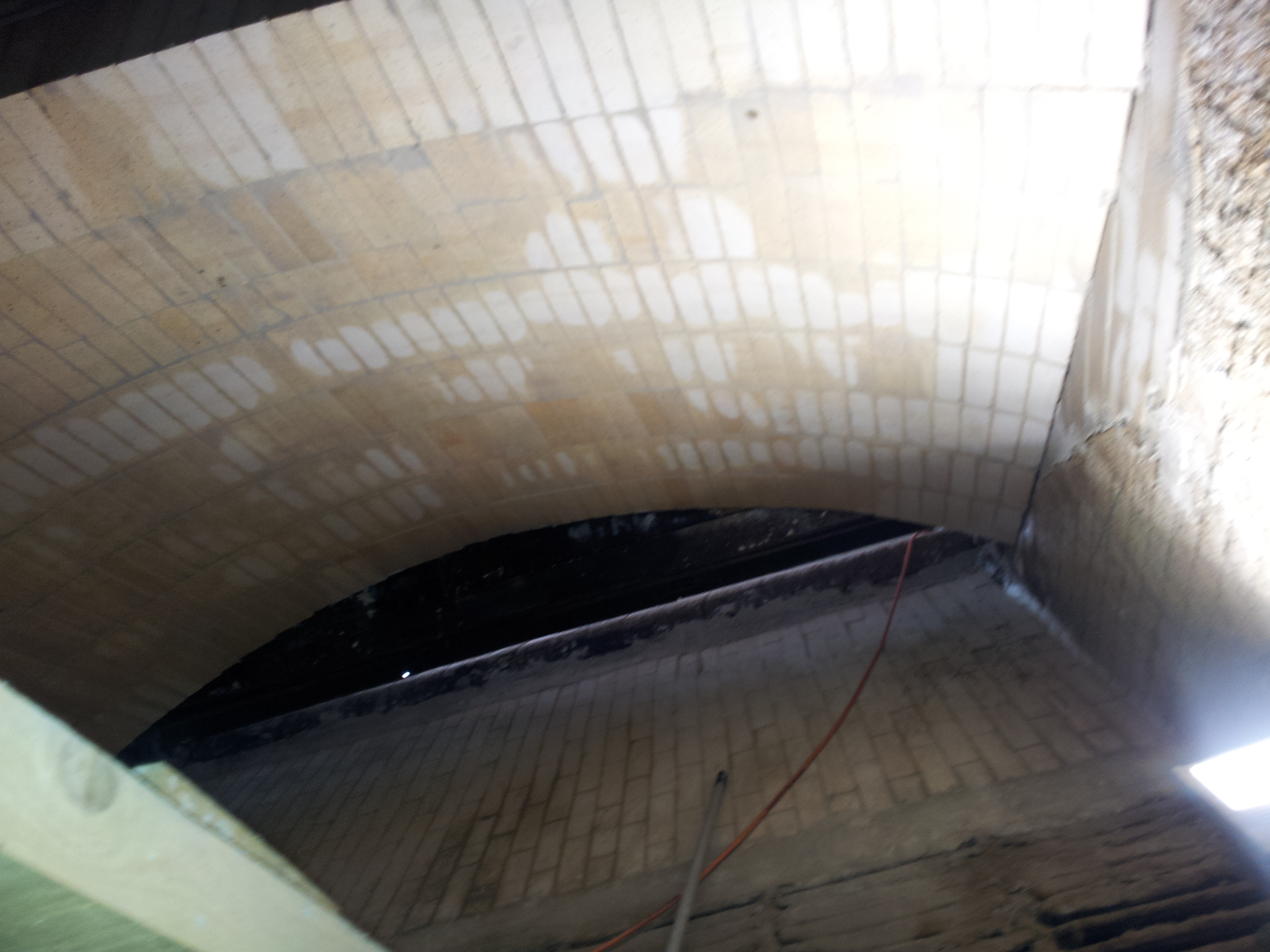
In our long tradition, dating back to 1921 as an integral part of the former Đuro Đaković group and continuing today as Đuro Đaković Montaža Izolak d.o.o., we offer services for the delivery and installation of all types of refractory linings.
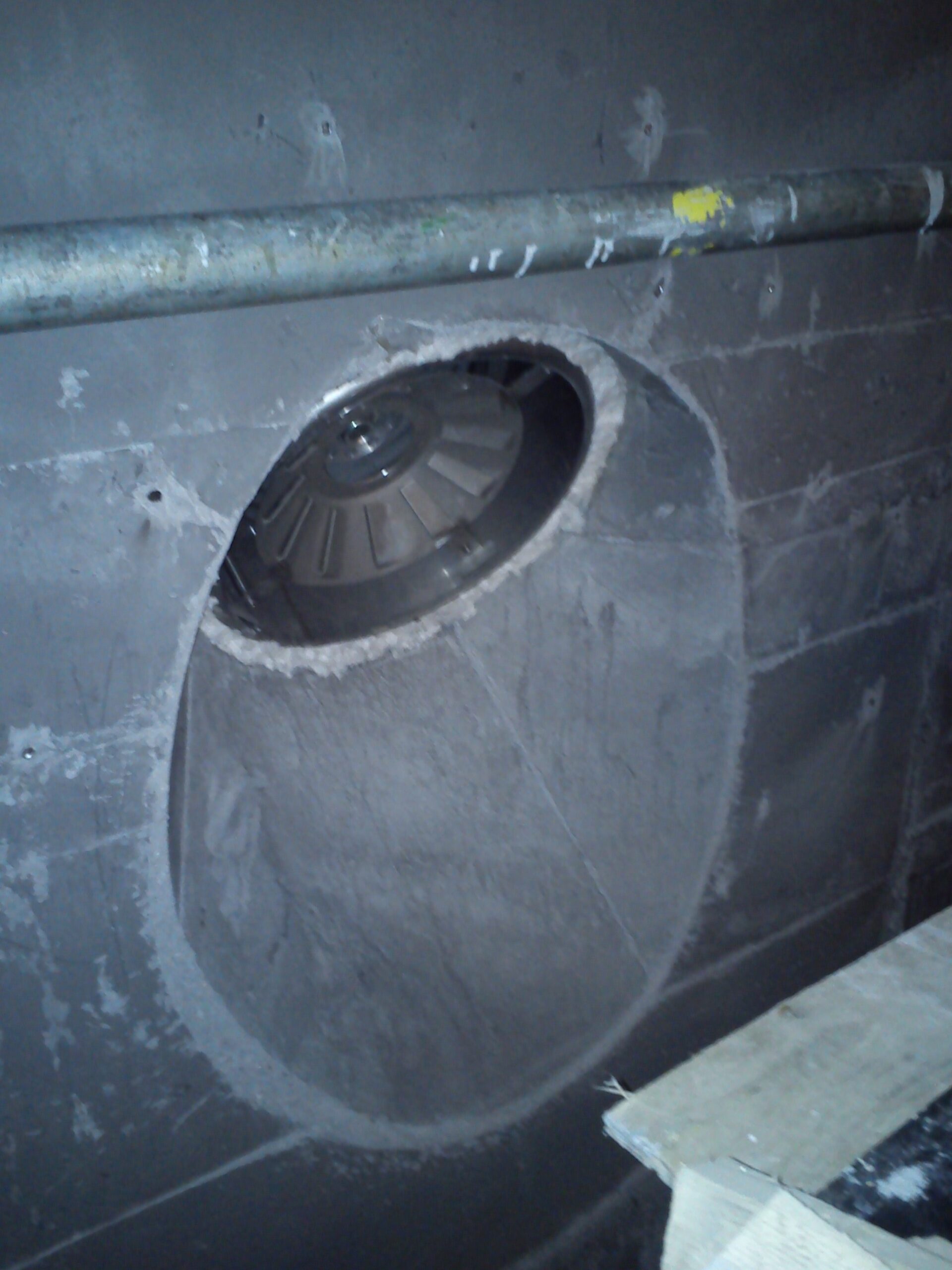
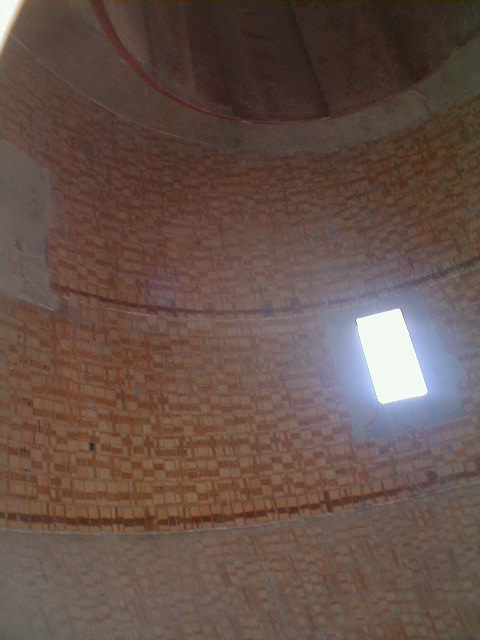
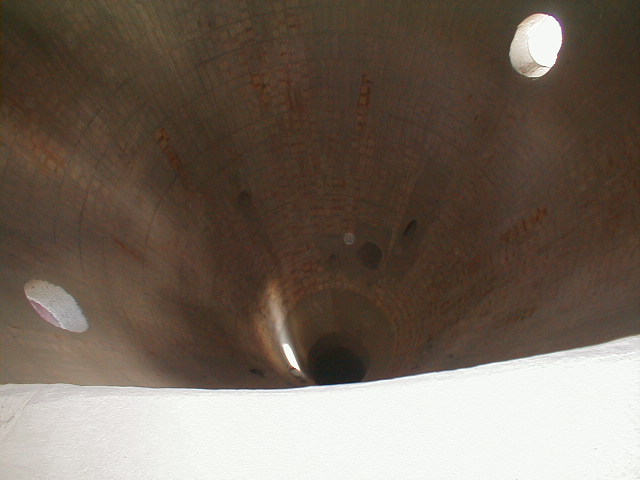
We specialize in the installation, repair, and maintenance of refractory linings across a wide range of industries (thermal power plants, refineries, cement plants, cogeneration facilities, waste incinerators). Our extensive experience and expertise have made us a trusted partner in the industry.
To ensure the highest quality, we source materials for the delivery and installation of refractory linings from domestic and international markets from vetted suppliers to ensure material consistency.
Our most significant references are in the field of:
- Thermal power plant (firebricking boilers)
- Cement plant (furnace lining, clinker cooler, heat exchanger, multi-cyclones, etc.)
- Refinery (wall of the vacuum furnace and its associated ducts, wall of the regenerator and the regenerator air distributor (grates))
When constructing walls, we use various types of materials such as:
- Firebrick
- Insulation brick
- Fireproof concrete
- Insulating concrete



Fire protection

Fire protection is applied to prevent and contain the spread of fire and to slow the heating of the structure to critical temperatures, which can deform the material and thereby compromise the structure's overall load-bearing capacity.
Fire protection maintains structural stability and thereby provides additional time for evacuation and firefighting. Fire protection design is carried out based on the fire category, the resistance class, and the shape and type of substrate to be protected.
In this segment, we are the leader in the broader market in our region.
Benefits:
- Long-lasting lightweight protection that provides fire resistance.
- Cost-effective and fast application
- Fire resistance up to 240 minutes
Waterproofing
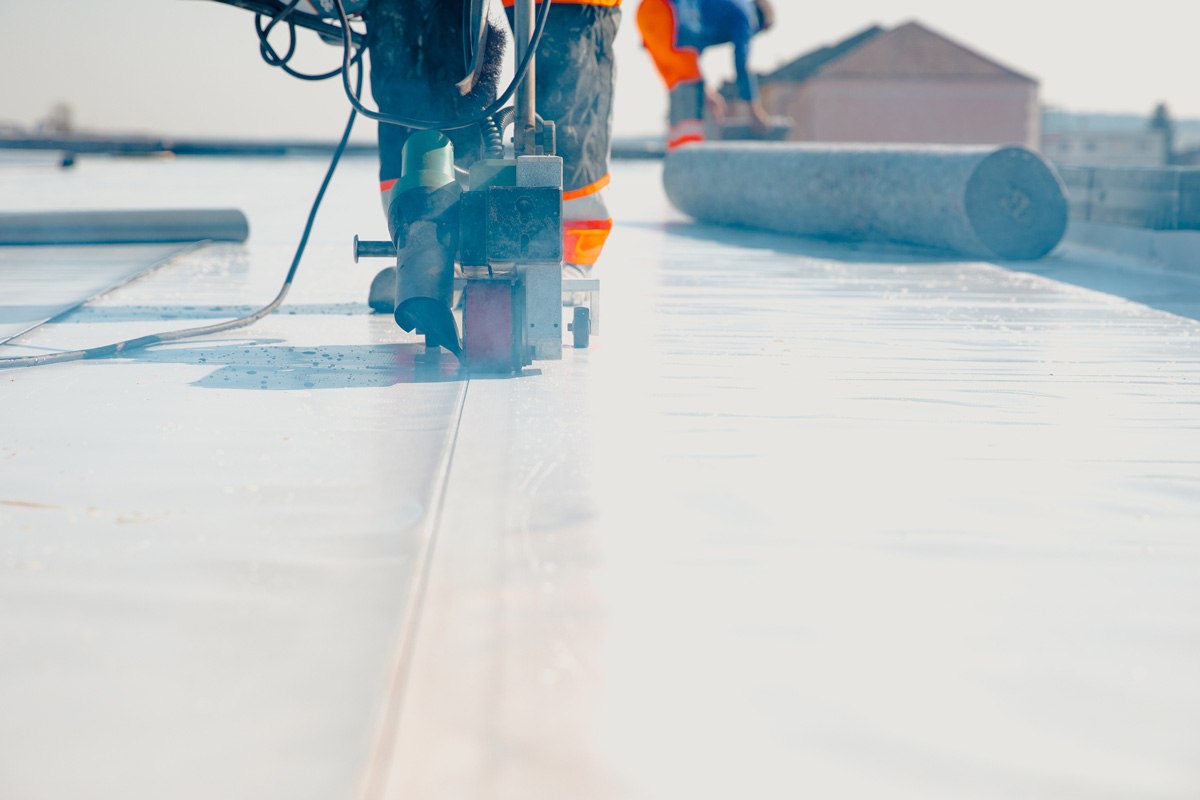
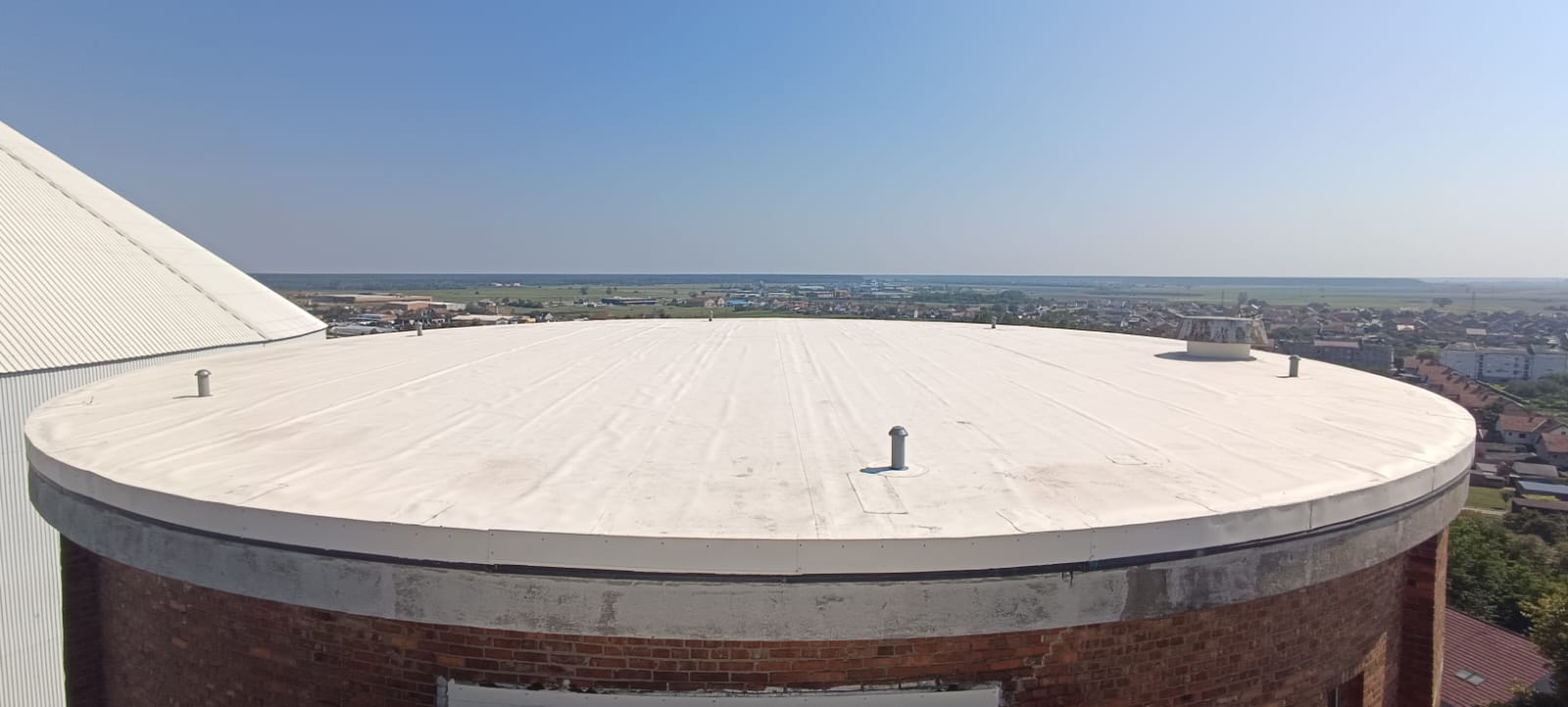
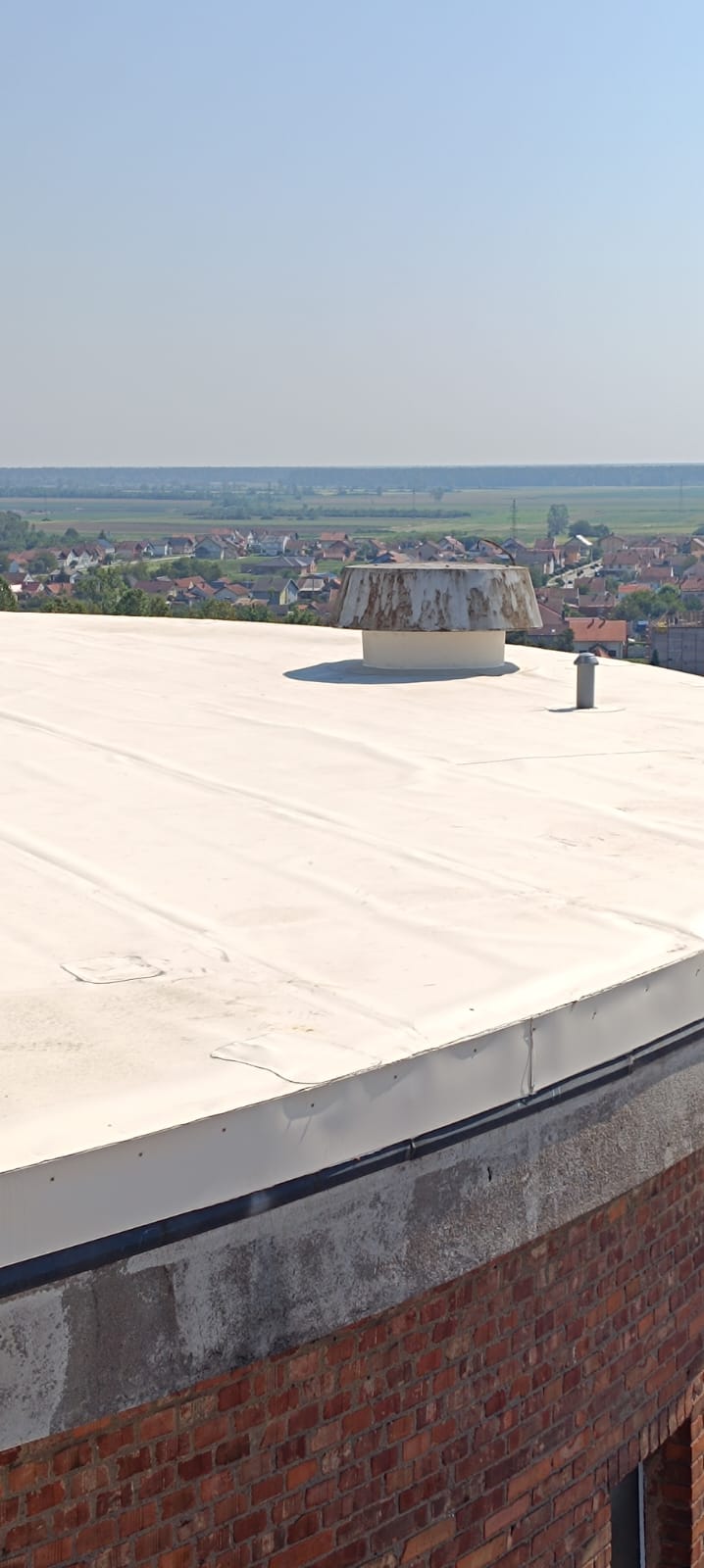
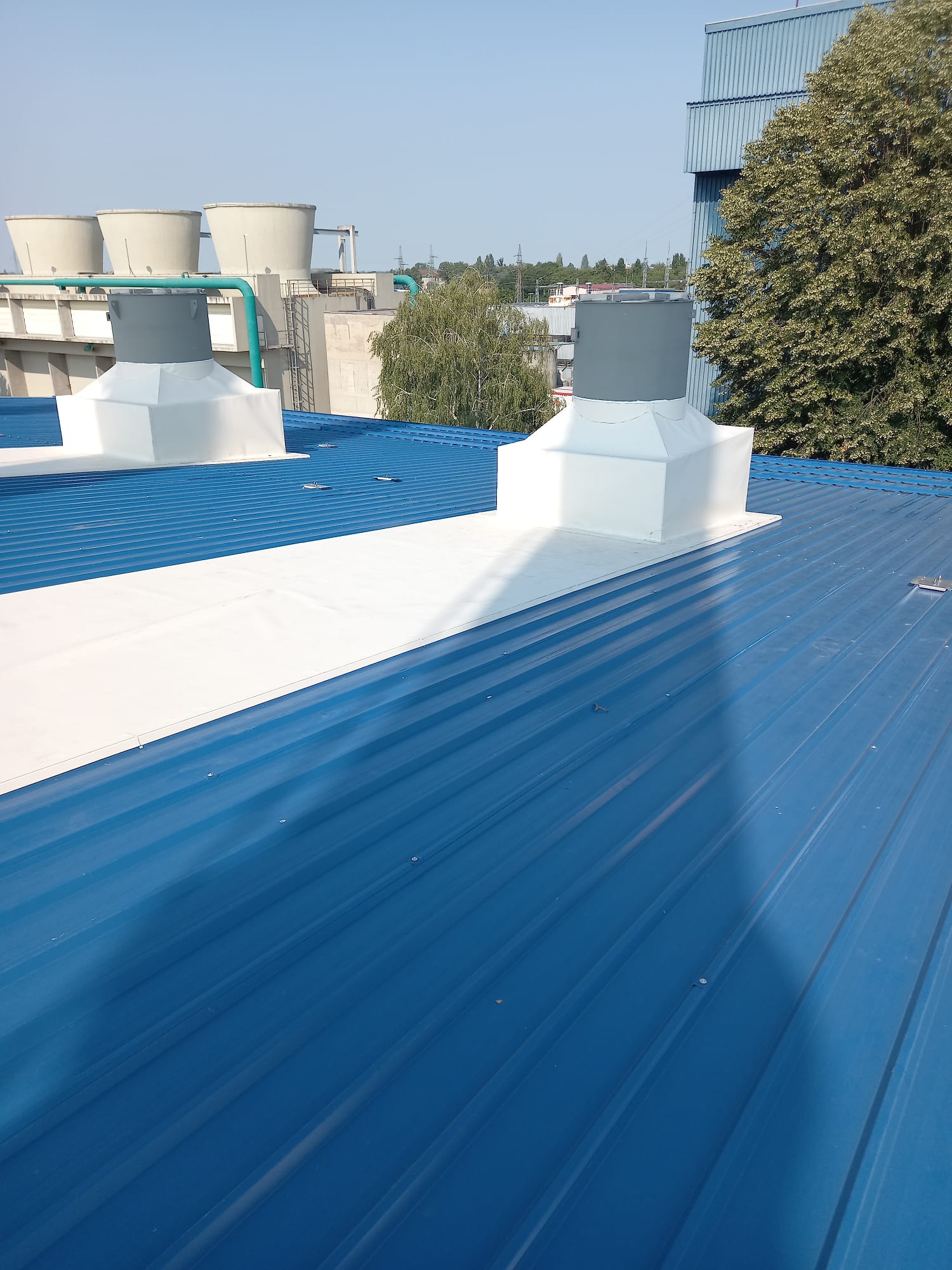
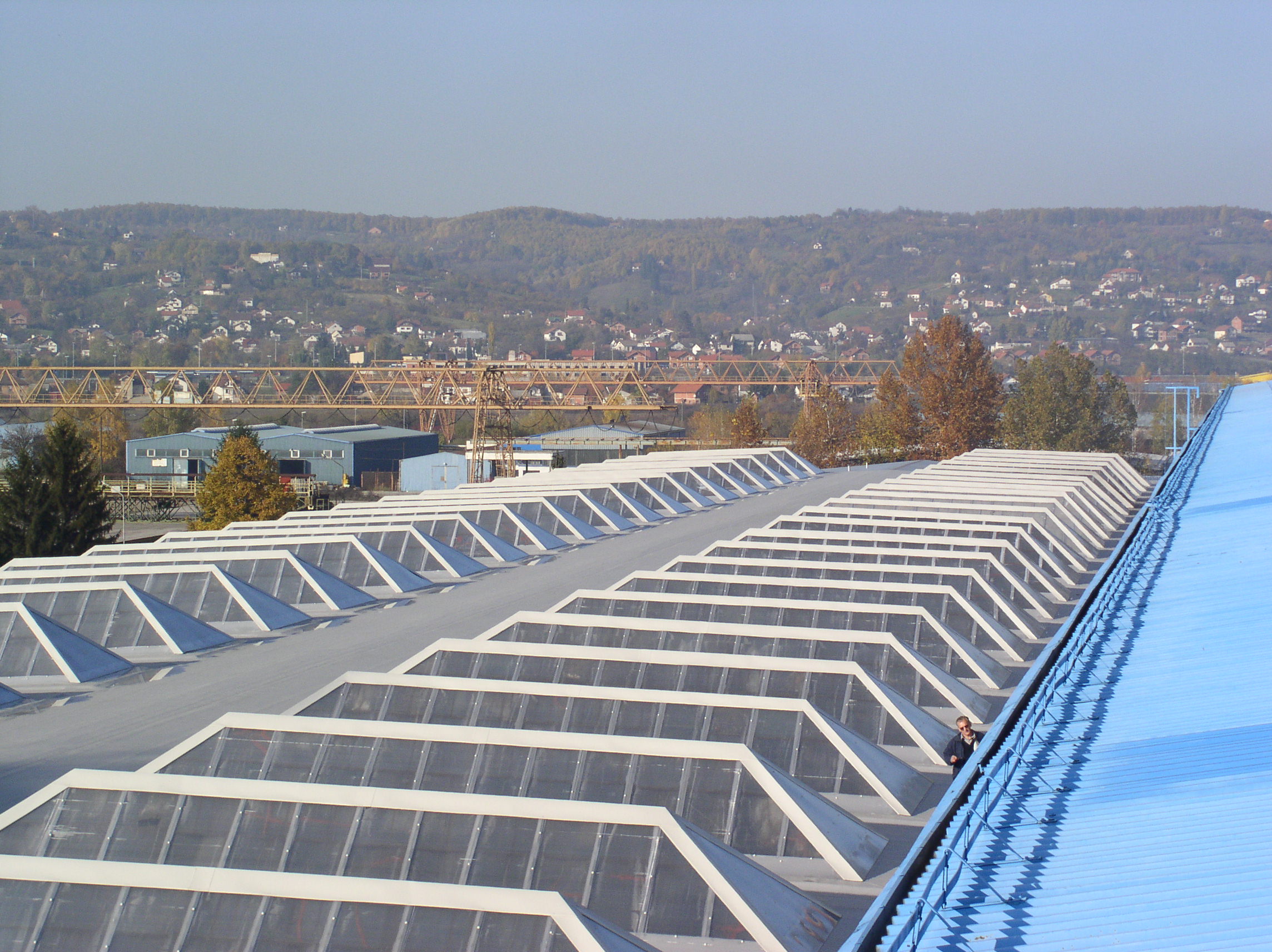
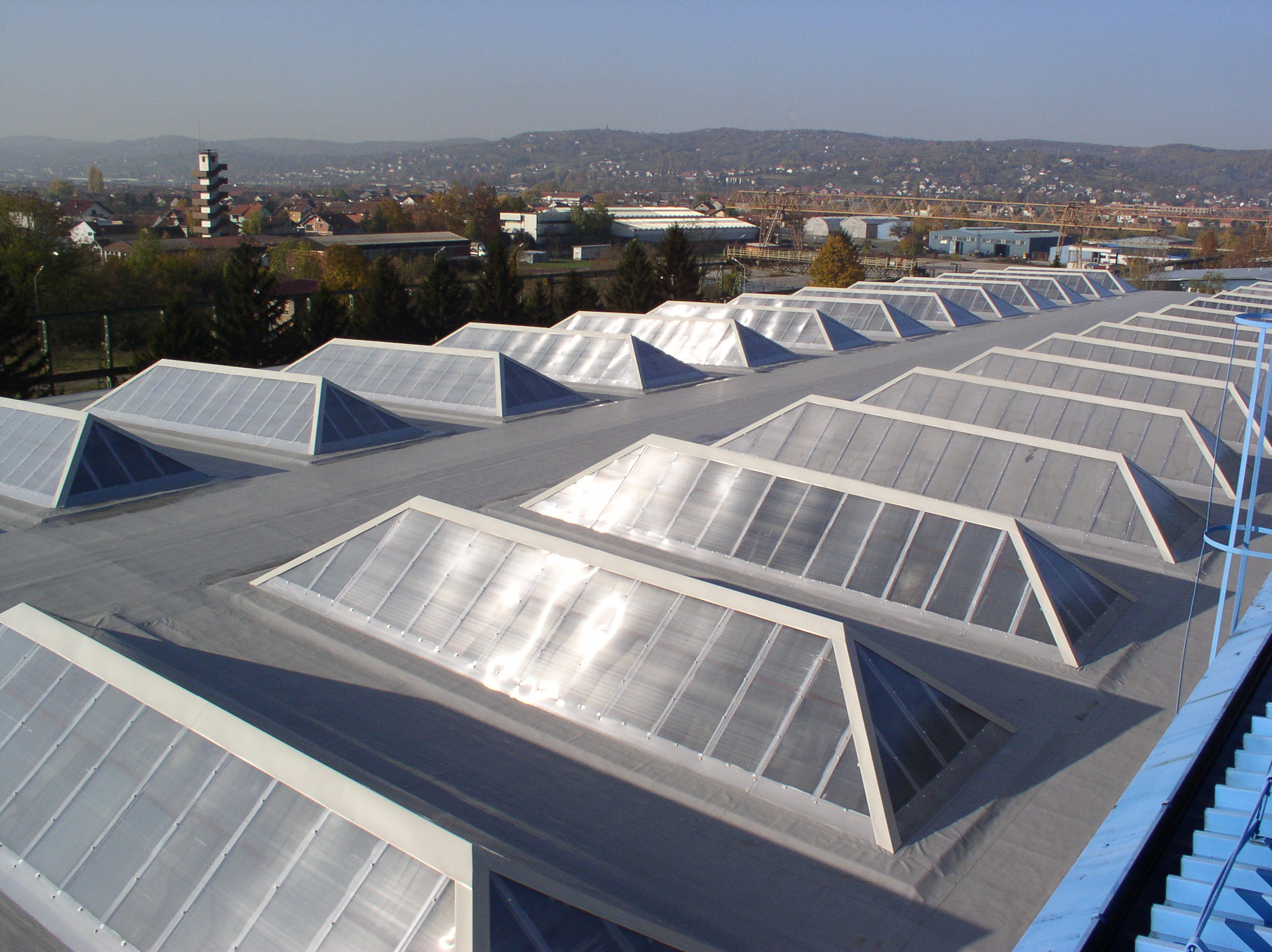
We specialize in supplying and installing premium waterproofing solutions. Our preferred waterproofing membranes, from the renowned suppliers Protan A/S and BAUDER, have proven highly effective in providing reliable waterproofing.
The waterproof roofing membrane (TPO, PVC) we use can withstand all forms of temperature, atmospheric, and load-related impacts, with a long service life.
The advantages of roofing systems with a waterproof roofing membrane also include reduced material flammability, airtightness, resistance to mechanical stress and foot traffic, and installation is relatively simple and fast.
By using colors and profiles, the roof can provide an attractive and beautiful appearance.
Our waterproof membranes offer exceptional durability and reliability. With easy installation, fire-resistant features, and the ability to enhance the visual appeal of roofs, they are an ideal choice for both new construction and renovation projects.
Đuro Đaković Montaža Izolak d.o.o. for top-quality waterproofing solutions that stand the test of time.




Soundproofing
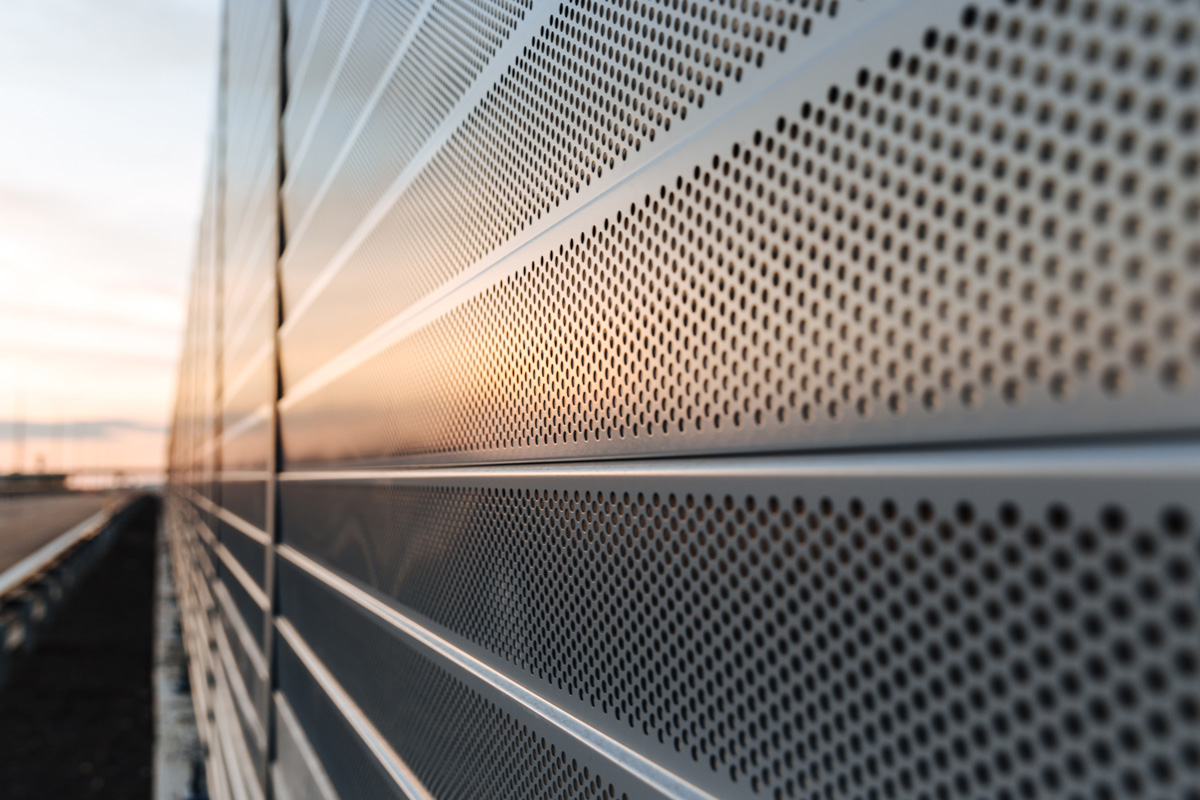
Noise has become one of the significant pollutants of the living environment, and there are growing demands for sound insulation.
We have directed a significant portion of our resources toward solving the aforementioned problem and installing sound panels. By inserting absorbent materials such as mineral wool, part of the sound is lost within the material's structure itself and is not transmitted further. Absorbent materials, only in combination with other elements and soundproofing rules, play an important role in the overall reduction of transmitted sound levels.
Coating
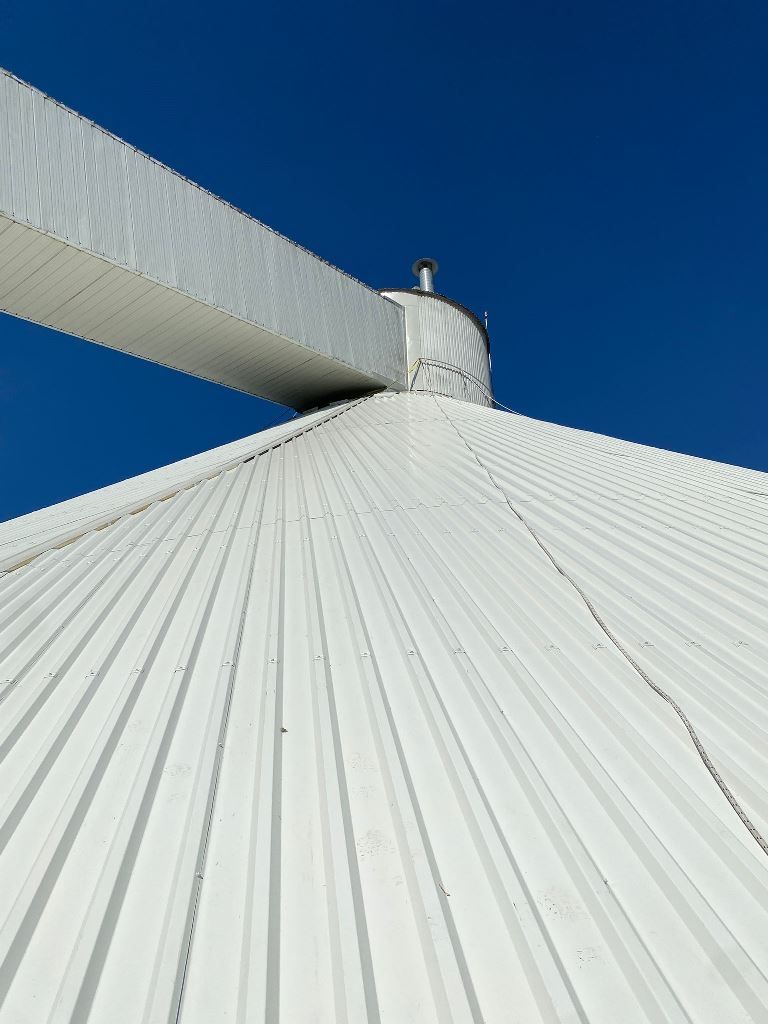
Supply and installation of all types of roofing and wall cladding.
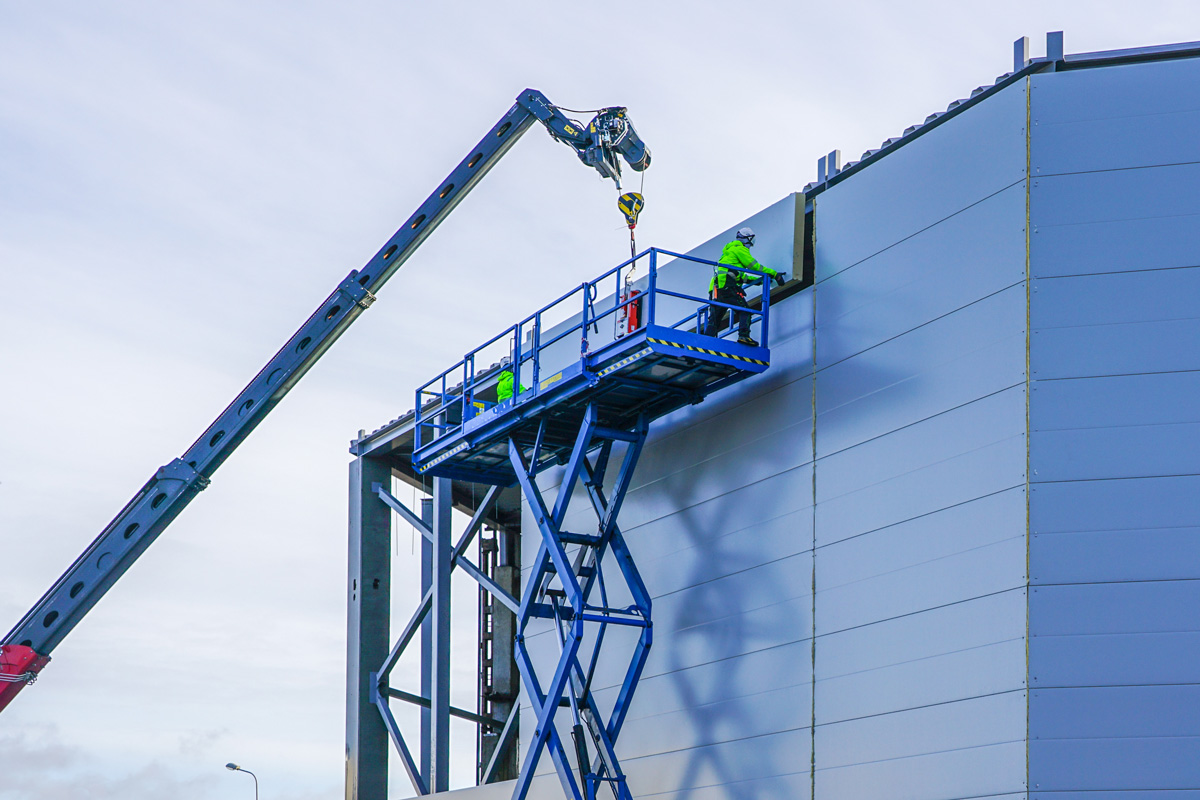
Cladding is one of the essential aspects of our company's operations, encompassing the delivery and installation of cladding on various types of structures. Our services include the procurement and installation of roof and wall cladding.
In that regard, we offer the following options:
- Trapezoidal sheets in a wide range of colors and profiles, tailored to our clients' specific needs.
- Sandwich panels with various fillings such as mineral wool, PUR, and PIR.
Panels are available in various colors, dimensions, and fill types, thereby meeting our clients' requirements.
Scaffolding

Scaffolding is a crucial element of any construction site, providing access to every structure and building while simultaneously ensuring a safe working environment for all other contractors, whether at a refinery, a petrochemical plant, or any other industrial facility.
In doing so, we provide a full range of services for scaffolding work on the most demanding projects, which, among other things, includes organization, assembly, and disassembly.
Whether building towers, suspended scaffolding, tube bridges or halls, we use the Layher Allround scaffold for all of these endeavors, which has proven to be the highest quality and most flexible on all construction sites. With daily employee training and the use of the highest quality protective equipment, we ensure the safety and protection of our employees, who are our top priority.
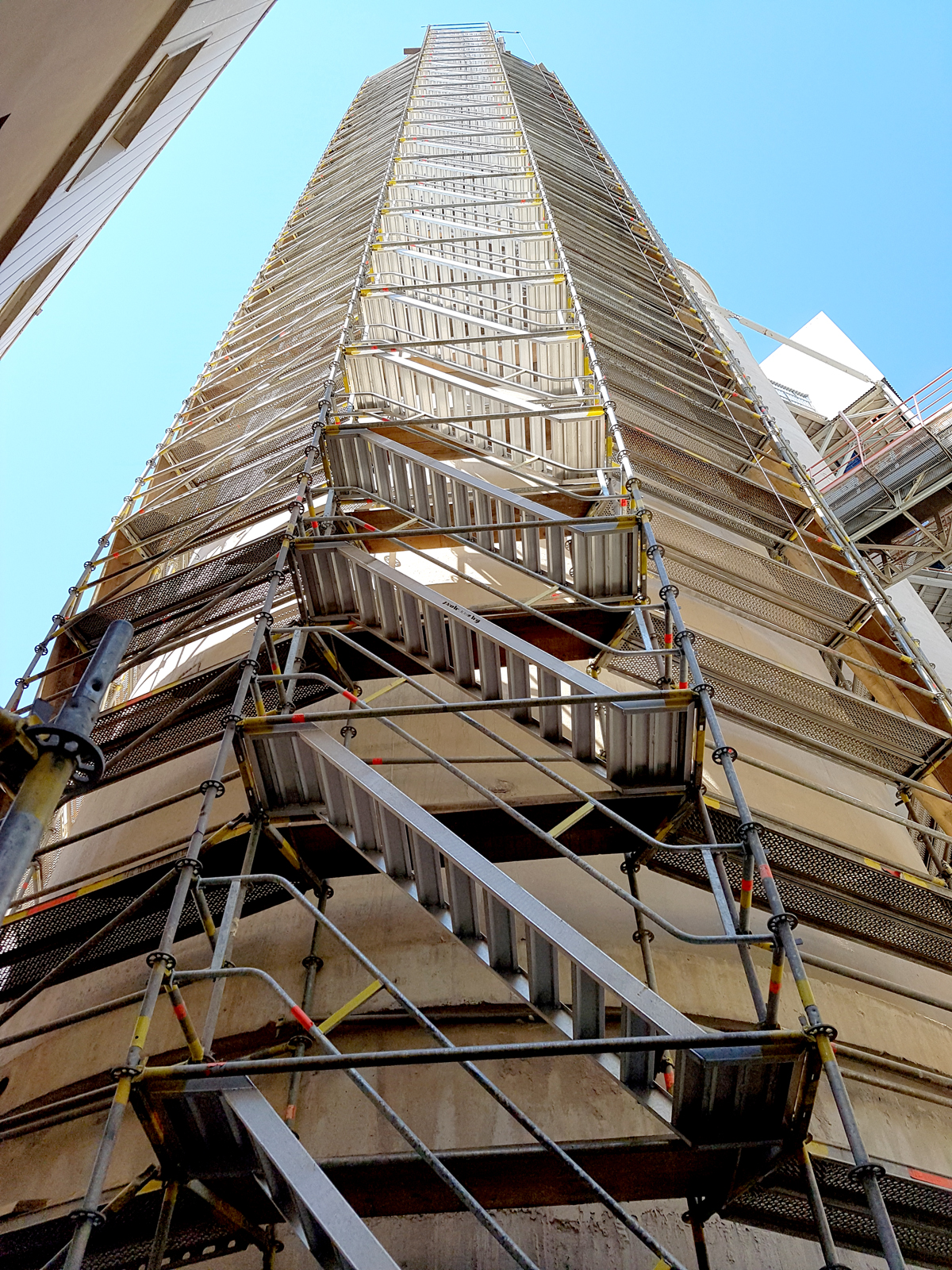
The Layher Allround scaffolding system is known for its emphasis on safety, speed, and versatility. In addition to its practical applications, each design is compatible with a wide range of accessories. The Allround rose allows flexible installation in all directions, further enhancing its versatility.
Our ALFIX scaffolds comply with the required standards and safety guidelines, in accordance with the regulations specified in the DIN EN 12810/12811 standards for scaffolding systems. It has also been approved by the German Institute for Construction. Our product range offers suitable solutions and is compatible with various scaffolding systems available on the market today.
Thermal imaging

In today's industrial environment, it is crucial to prioritize preventive measures over reactive solutions, especially when it comes to expensive and critical system equipment. To meet this need, we offer a comprehensive thermal imaging service using advanced thermographic equipment.
With high-precision thermographic equipment, we can capture accurate real-time thermographic recordings along with radiometric readings of objects. Its industrial-grade capabilities enable us to obtain clear thermographic images and precise temperature measurements up to 350 °C.
By using thermal imaging, we can identify temperature variations on facilities, equipment, power lines, etc. This allows us to accurately pinpoint “hot spots” and “thermal bridges” and take appropriate measures to resolve the issues. After the measurement, we prepare a detailed report that includes recommendations for immediate and preventive measures to be taken.
With our thermal imaging service, we enable our clients to proactively identify and address potential faults, ensuring optimal performance and longevity of their equipment and systems.
VENTILATED FACADES
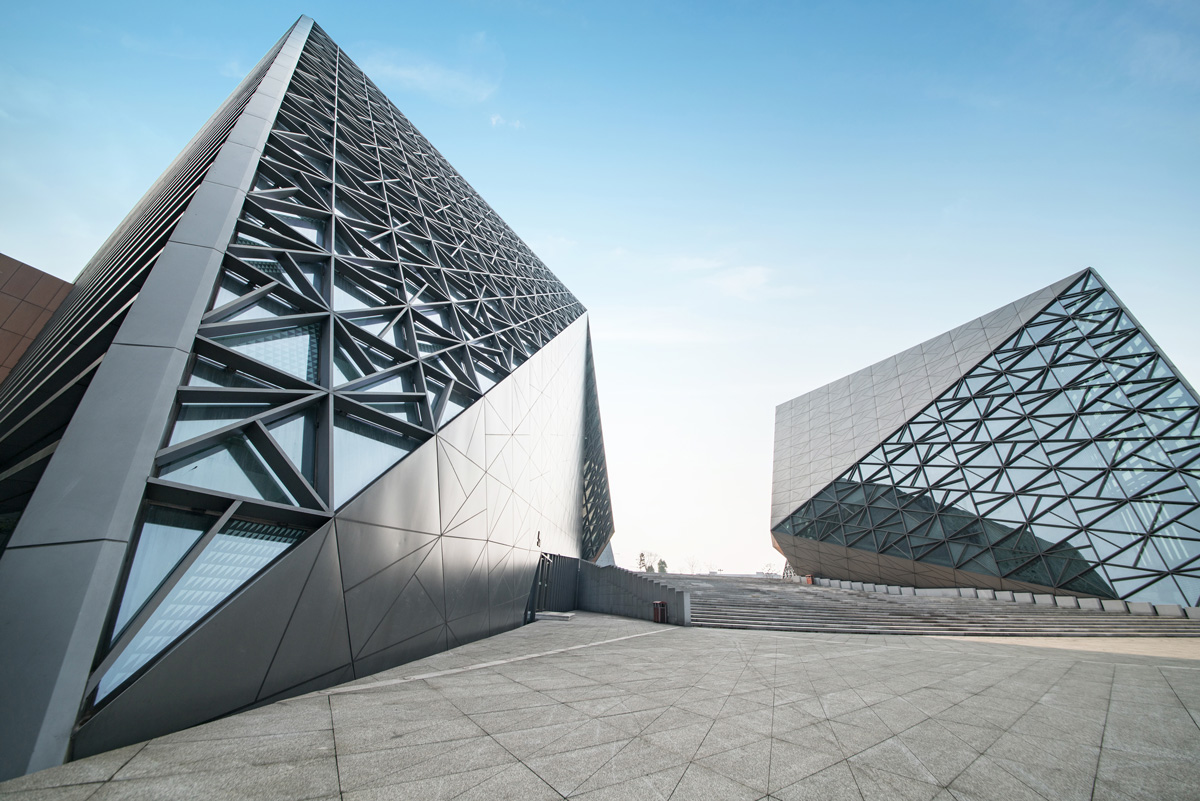
Ventilated facades are a type of façade that includes an air gap between the insulation and the building's façade cladding. This design feature allows for natural ventilation of the façade, which offers several advantages.
One of the key advantages is promoting moisture evaporation, which helps maintain a dry and healthy environment inside the building. Additionally, ventilated facades contribute to improved energy efficiency year-round.
Compared to traditional facades, ventilated facades not only offer superior performance but also elevate the overall design of the building. In addition to the building's aesthetics, ventilated facades provide protection against external (atmospheric) influences and fire, extend the building's lifespan, are easier to maintain than conventional ETICS facades, and offer other advantages.


Fibrocement boards:
Fiber cement boards are a building material made from cement, cellulose fibers, and other mineral components. They are used for their resistance to weather conditions, fire resistance, and durability.
- Cutting: Fibrocement boards They require specific cutting tools to prevent the material from cracking or breaking. Diamond saws are typically used.
- Drilling: Special diamond-tipped drill bits are used to drill the holes needed for fastening.
- Design: The panels can be shaped to meet specific design requirements, including curved surfaces or complex geometric forms.
HPL (High-Pressure Laminate) panels:
HPL panels are high-pressure laminated panels used for their durability, resistance to impact, chemicals, and UV radiation.
- Cutting: HPL panels are cut using precision circular saws with special blades that reduce the risk of chipping the edges.
- Drilling and perforation: Drilling equipment must be precise to avoid cracking the laminate. CNC machines are often used to create more complex patterns and perforations.
- Edge finishes: After cutting, the edges of HPL panels can be processed to achieve a smooth and aesthetically pleasing finish, often using milling or sanding.
Other boards:
Other materials such as aluminum composite panels, ceramic tiles, wood panels, and similar materials can also be used in ventilated facades.
- Cutting: Each material requires specific tools and cutting techniques. Aluminum composite panels, for example, require cutting with fine teeth to prevent bending or damage to the aluminum layer.
- Design: Materials such as ceramics can be shaped using waterjet cutters or laser cutters for precision and minimal edge damage. Diamond saws are commonly used.
- Finishing: The finishing process includes polishing, sanding, and other techniques that ensure the boards have the desired aesthetic appearance and functionality.
Processes and technologies:
- CNC Machines: CNC (Computer Numerical Control) machines enable precise cutting, drilling, and shaping of various panels according to digital drawings. This is especially useful for complex shapes and patterns.
- Diamond saws and grinders: Essential for machining hard materials such as fiber cement and stone.
- Vacuum systems: They ensure the safety of the work environment and air quality, especially when working with fiber cement boards.
Benefits of a professional service:
- Precision and quality: The use of specialized machinery and tools ensures high precision in cutting and finishing, resulting in a better visual appearance and longer-lasting facade.
- Efficiency: Faster execution of work thanks to the use of automated processes and expert personnel.
- Adaptability: Ability to customize panels to specific architectural requirements and design.
Professional cutting and shaping services for panels for ventilated facades are essential for achieving a high-quality, aesthetically pleasing finish, ensuring the longevity and functionality of the facade.
Mills are essential tools in the sheet-processing industry, enabling precise finishing, perforations, and other treatments according to specific project requirements. These tools play a key role in processing various materials, including fiber cement boards, HPL (High-Pressure Laminate) panels and many others.
See for yourself the quality of our service.
Continuous improvement of service quality to achieve customer satisfaction and meet their desires and needs for quality, reliability, and safety of the services provided.